
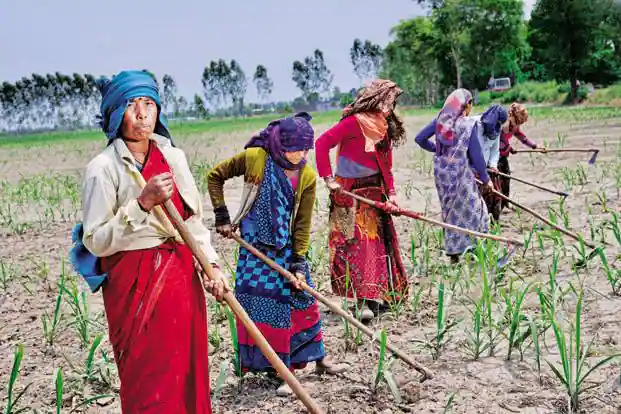
Since the ecosystem of hilly areas is very different from that of plains, it is necessary to focus differently on the agriculture of hill districts of Uttarakhand. Therefore, the Foundation's agriculture program focuses on rectifying the issues that hinder agricultural development. The farmers in the hills are mainly engaged in subsistence agriculture. The hills reflect low agricultural yields, small size and scattered land holdings, difficult terrain, lack of irrigation facilities and better inputs and technology, and lack of credit and marketing facilities. The increasing climate variability has further adversely affected this mountainous agro-ecosystems.
With a mix of limitations and benefits of Uttarakhand's mountainous topography and its unique agricultural ecosystem, Foundation has envisaged major interventions in the agriculture program, including the introduction of high-yielding varieties and production technologies, seed production, farm mechanization, custom including the establishment of a hiring center.
Introduction of solar lift irrigation systems, ensuring critical inputs through community institution operated Community Facility Centres (CFCs), developing local youth as agents of dissemination of technologies and community institutions to develop and maintain market linkages to build.
The mountains of Uttarakhand are rain-fed and irrigated with poor topsoil. Pulses and legumes are grown traditionally because they are hardy, survive well without water and other inputs, are a major source of protein, and have a high market value. However, regional farmers face increasing losses in pulses production due to a lack of improved varieties, low production and post-harvest techniques, value addition, and organized marketing in the region. Therefore, Foundation is dedicated to an integrated community institution-driven model which will be promoted and strengthened to establish an orderly, sustainable, pulses and legumes supply chain in mission mode.